
Arriving in Vientiane was a little bit like landing behind the Iron Curtain. The airport was deserted, but there were men in khaki uniforms at all the counters, with short army haircuts and unsmiling demeanours. They were friendly enough, however, and waved us through after I filled in the arrival form. We had been told not to expect much from Vientiane, even though it became the official capital of the ancient kingdom of Lan Xang in 1560.
Laos has a complicated history. Lan Xang — the “Land of a Million Elephants”, signifying military strength and prosperity — was attacked and ransacked by Siamese forces in the 1820s, and in the late 19th century it became part of French Indochina. After gaining independence in 1953, Laos tried to maintain neutrality, but became a major battleground during the Vietnam War. At that time, the United States dropped more than two million tons of bombs on Laos, of which 30 percent failed to explode, leaving behind deadly remnants that are still being discovered today.
The same night, we went to explore the night market, thinking we would discover something similar to Thailand or Vietnam, but we were sorely disappointed. It was just endless rows of stalls selling cheap Chinese goods along the murky Mekong River. We decided to cut our losses by buying coconut water and fresh watermelon, which was just right for the occasion.
The most spectacular sight in Vientiane, by far, is Wat Sisaket, the only ancient temple to survive the Siamese destruction of the city in 1828. The temple contains 6,840 Buddha images, mostly tucked into tiny niches in the walls surrounding the main cloister. All the Buddhas are in the earth-touching pose, the moment of Enlightenment when Mara, the devil, was tempting Buddha away from his path. Buddha called upon the earth goddess to aid him, and she did so, helping to ground his resolve. It is a place of deep peace and serenity, and there is something strangely familiar and deeply moving about it, the sacred extolled by rows and rows of serene faces, silently contemplating each other.
As far as coffee goes, Laotian coffee competes with Vietnamese coffee, and there is a vibrant café culture. A place not to be missed is Hichillico Café, housed in a crumbling French-style colonial mansion, with creeping vines all over and an overgrown garden overlooking That Dam (Black Stupa). The café is full of young, hip Laotians enjoying coffee and taking selfies, interspersed with the occasional monk in saffron robes. With one cup of rich coffee, you can take in the many eras of Laos’ history.
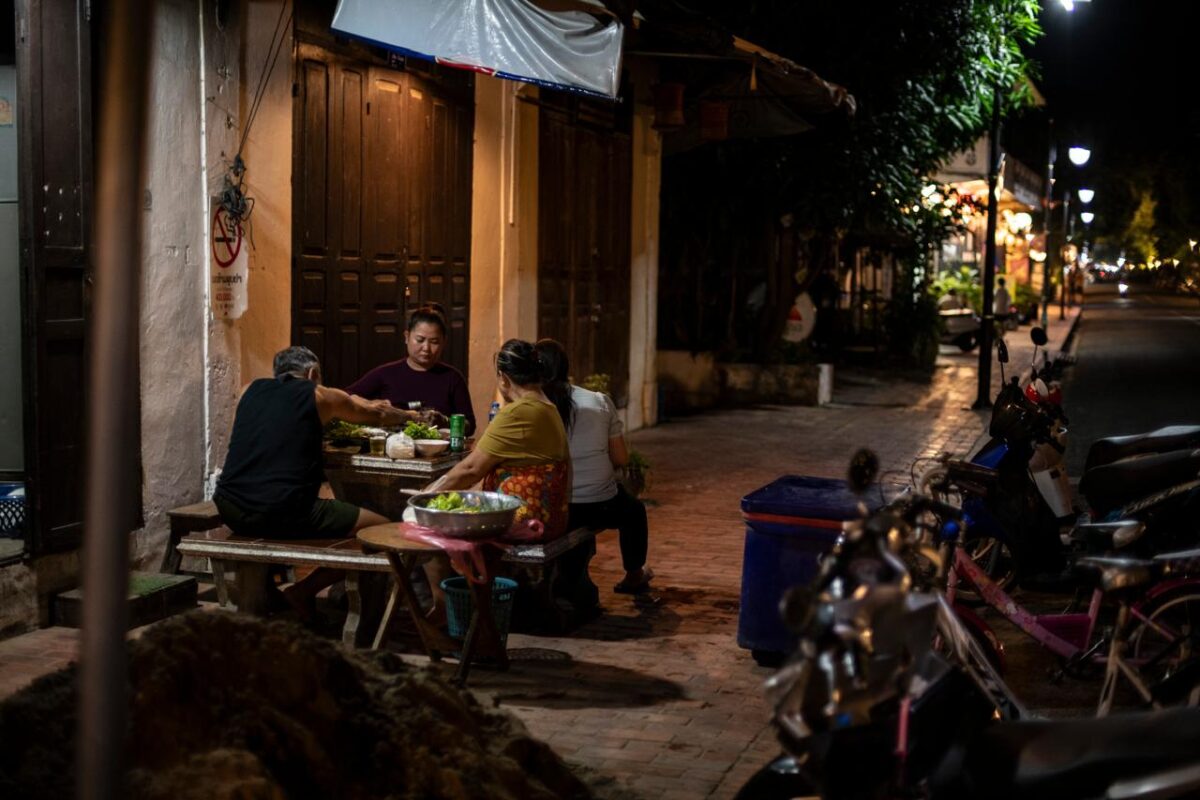
In terms of food, Laotian food is mostly greens combined with meat, stir-fried or steamed in banana leaves, with Laotian spices. Our particular favourite was chicken laap, which was chicken mince accompanied by a whole array of do-it-yourself spices, chillies and sauces that you combine to make a lettuce wrap. It was quite delicious. We tried several types of Mekong fish, a speciality of the region, steamed in banana leaf and wrapped in bamboo shoots, but those were not particularly exceptional.
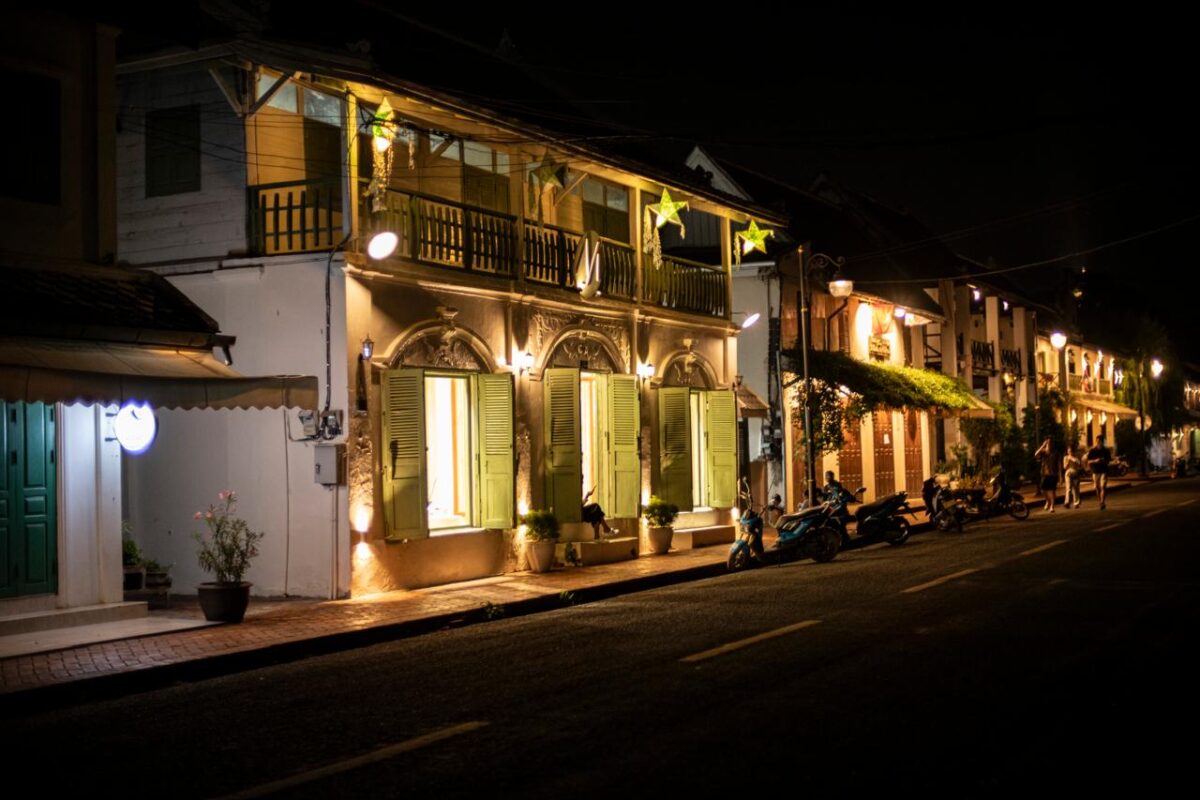
We were very excited about going to Luang Prabang, which is the real jewel of Laos and its ancient capital. We took the fast train, which has cut an eight-hour journey down to just two hours. The train runs 412 kilometres across the country to the Chinese border. It is difficult to get bookings for the train, and tickets must be reserved in advance. The moment we arrived in Luang Prabang, we were transported into the world of The King and I. The entire city had an old-world feel. We used the taxi app Loca, which was quite convenient for getting to our hotel. Maison Dalabua was tucked away from the main town centre and built around the most beautiful lotus ponds, designed in the Geoffrey Bawa style, in harmony with its setting, with individual huts on stilts overlooking lush vegetation.
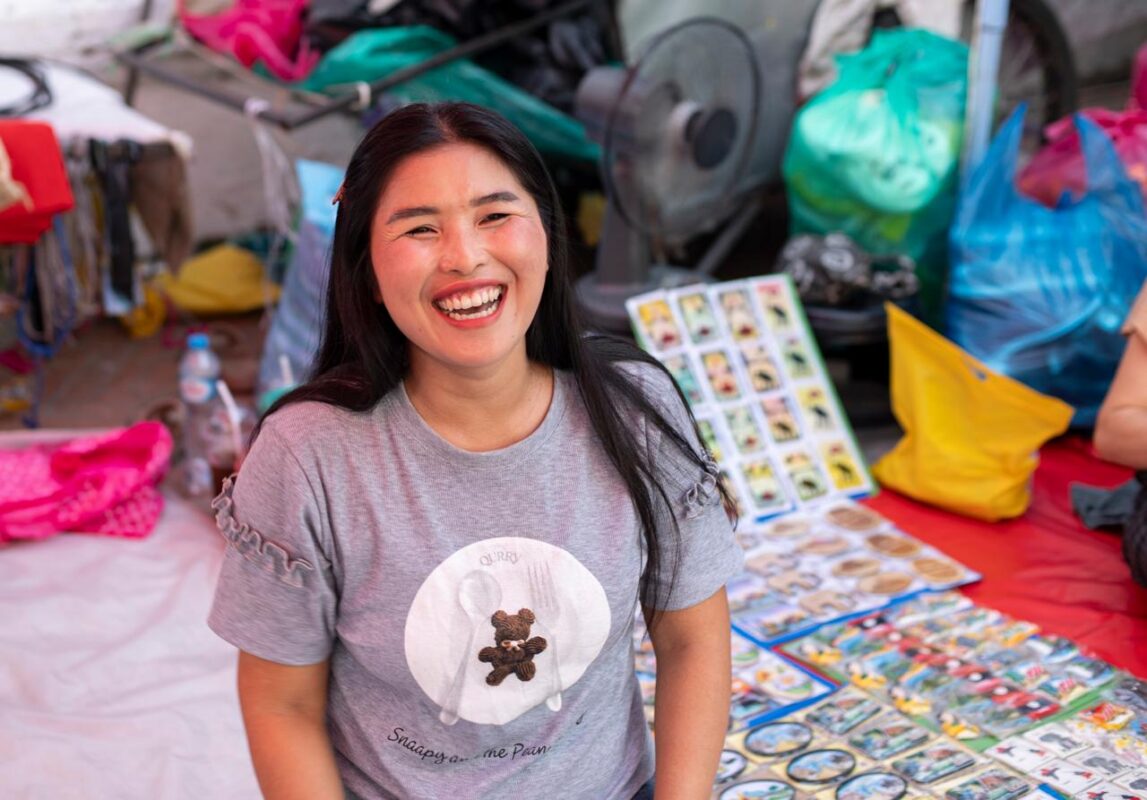
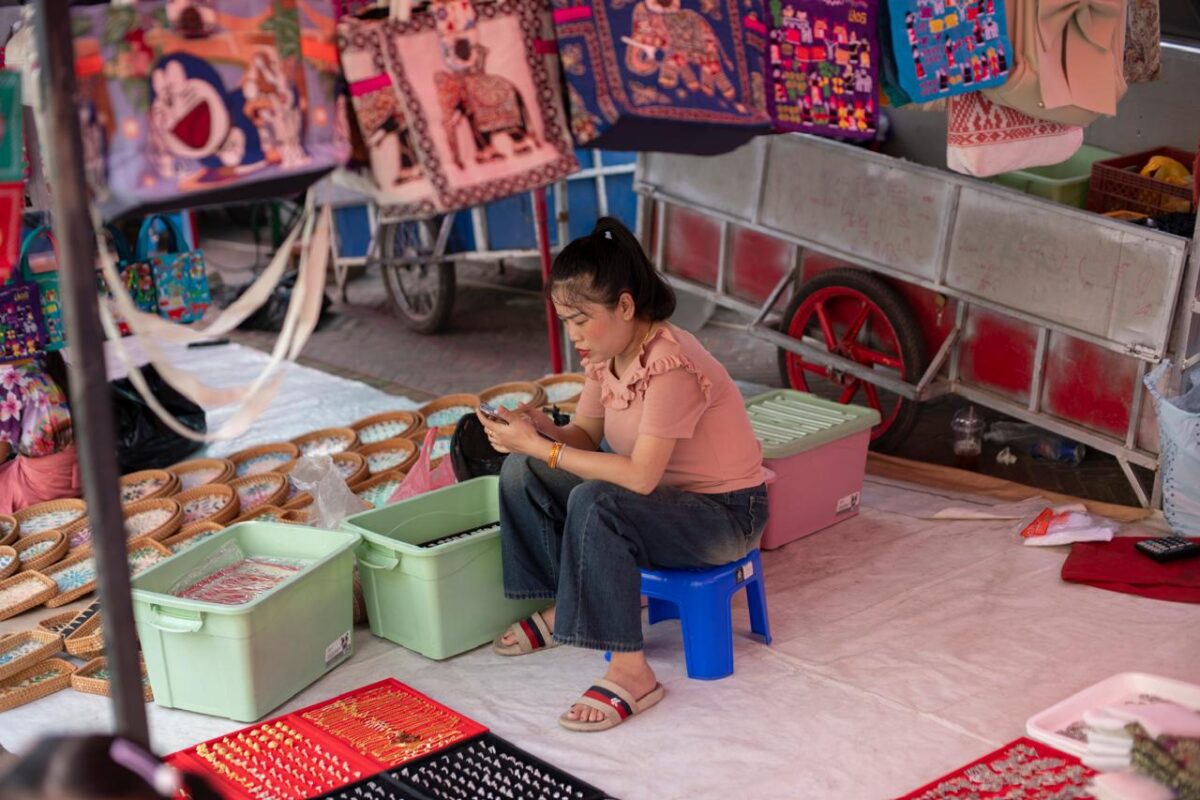
The night market was definitely several notches above what we experienced in Vientiane. Like Thailand, where many of the vendors in the night markets are women, women here also seem to be major contributors to the local economy. Figuring out the currency in Laos had been quite a challenge, as one US dollar is equal to around 22,000 kip — our mental maths ran out fairly quickly. It was also sweet to see female vendors, especially in the morning market, dressed in their best attire — pants and T-shirts — with their faces made up in light foundation, like geisha dolls, or with cheeks bright red with rouge. At the same time, each stall was neatly organised, selling fruit, vegetables, meat, fish and even live beetles, possibly to be turned into crunchy snacks!
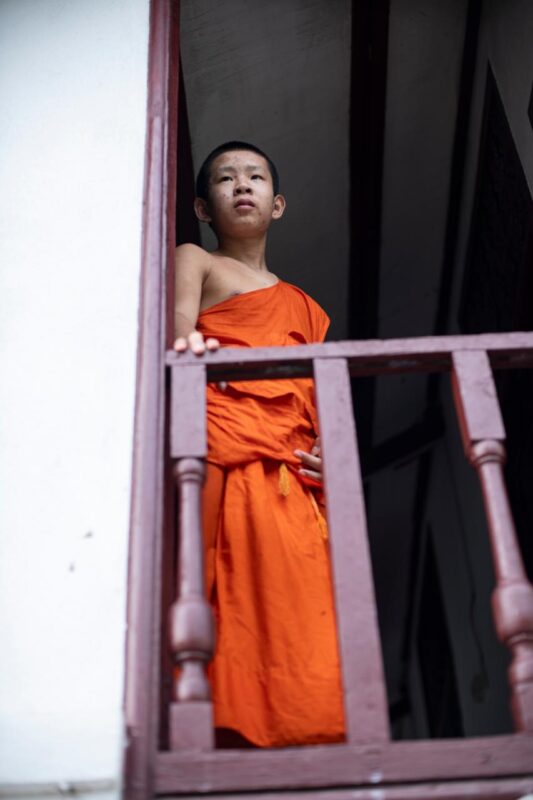
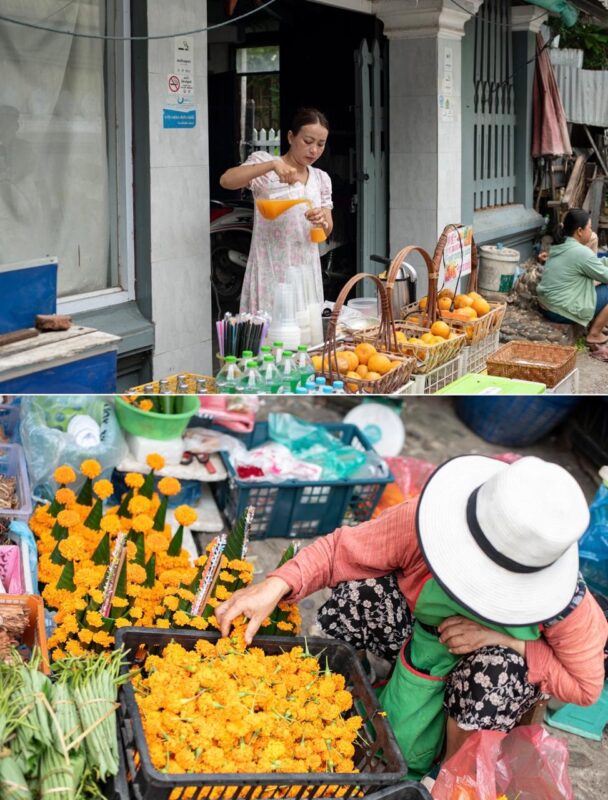
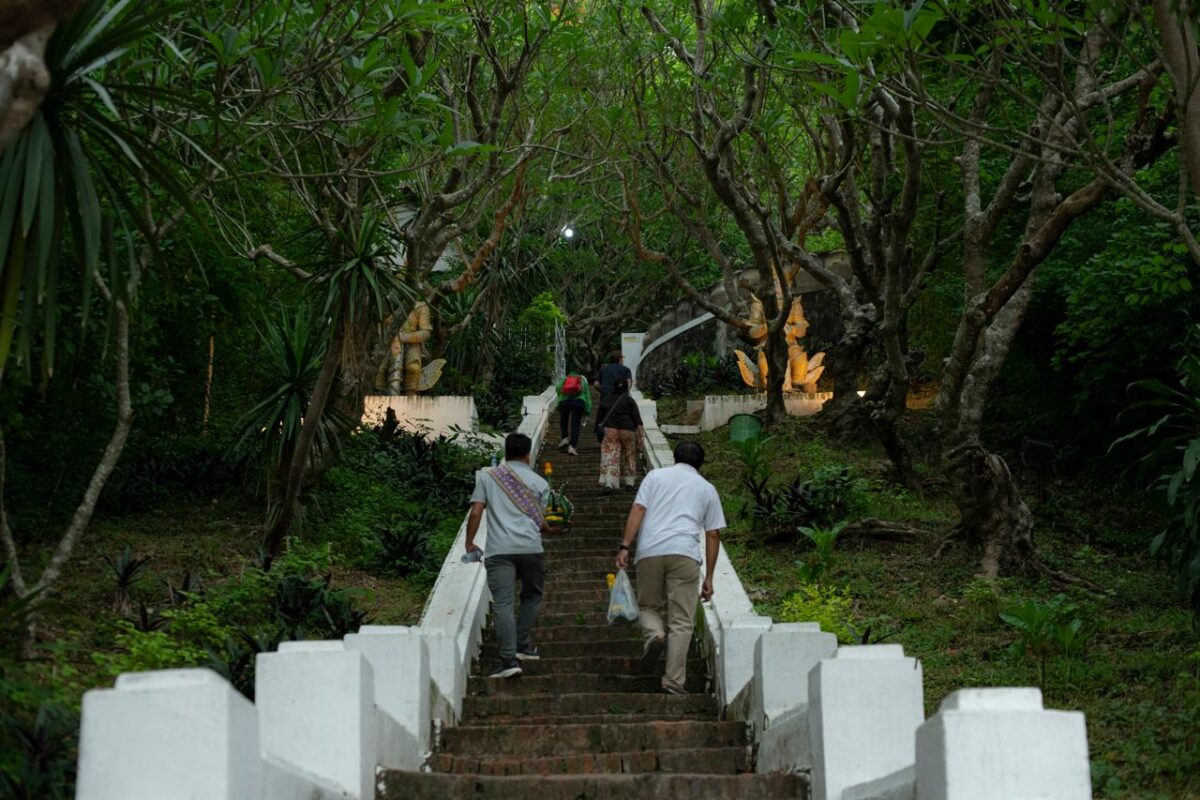
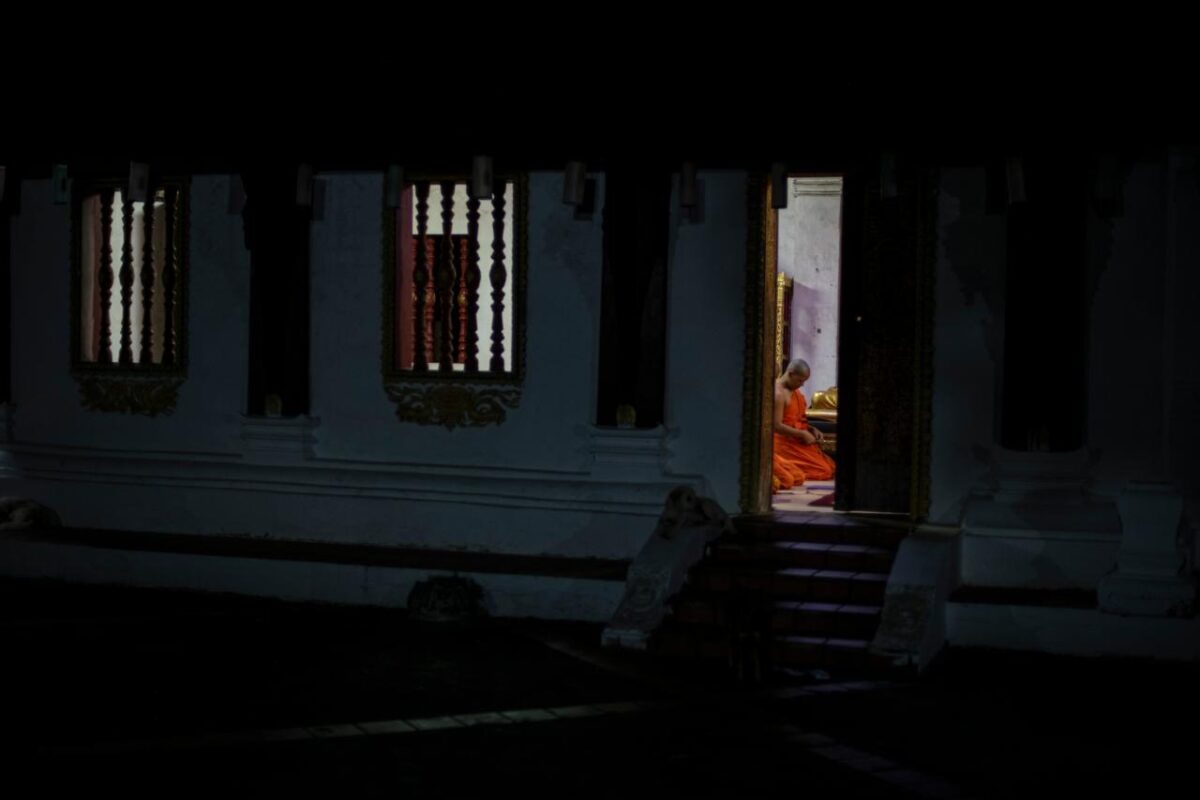
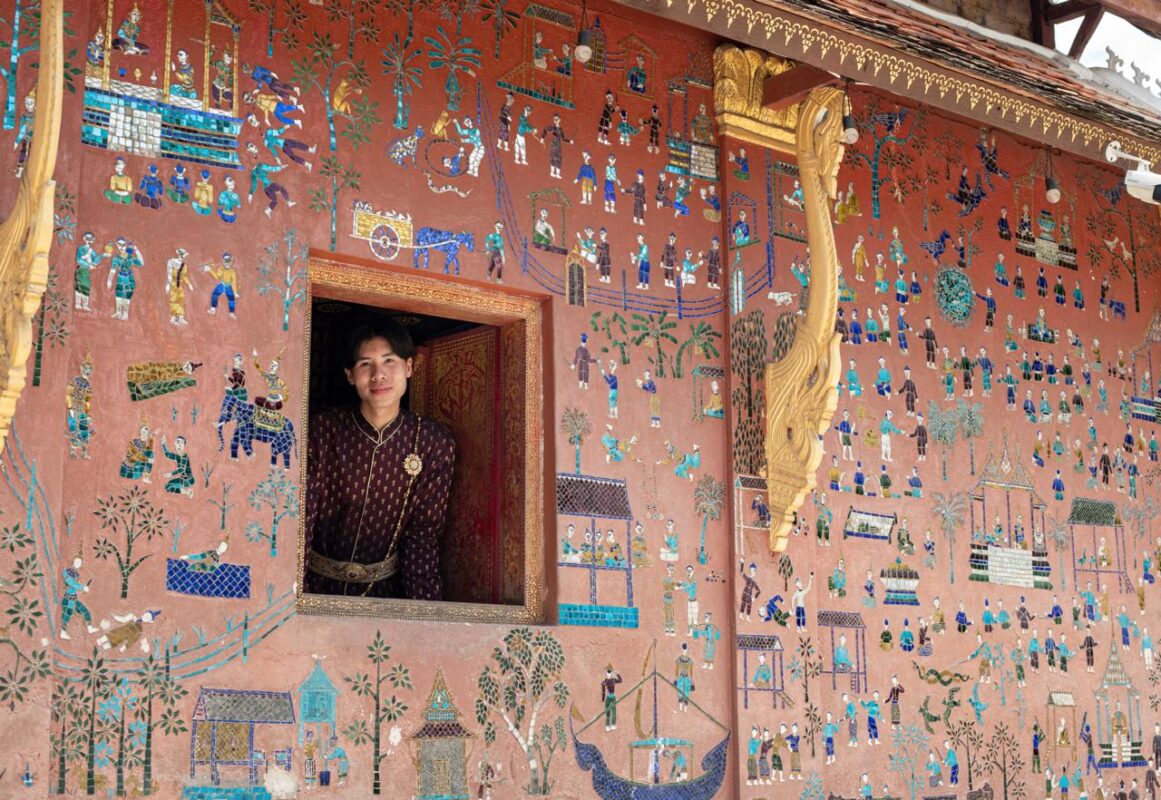
Climbing up the 300 steps to Mount Phousi temple to catch the sunset, with views of the hills and the winding Mekong River, was picture perfect. The path down the hill was an added treat, as with evening drawing in, the temples along the way were echoing with the sound of evening prayers. The entire town of Luang Prabang is dotted with wats (temples), while monks are omnipresent. Wat Xieng Thong, with its sweeping roof and Tree of Life mosaic, is a masterpiece. It was also ironic and funny to see tradition jostle with modernity as we watched a woman making a serious offering in the temple at the feet of the large golden Buddha, while FaceTiming the entire ceremony with her family.
The early morning alms-giving ceremony was also an experience. Sakkaline Road is cordoned off and lined with plastic stools, while small baskets filled with rice cakes, biscuit packets and candy are placed all along the pavement. The organisation for the alms-giving ceremony is again undertaken by scores of female vendors, while the monks, some old and mostly young novices, line up to collect the alms. In order to maintain sanctity, the alms are distributed while wearing a plastic glove on the right hand. Groups of people, locals and tourists, arrive to take part in the ceremony, while later, as the women clean up the road, many sit down to count the day’s earnings. So religion and economy literally go hand in glove.
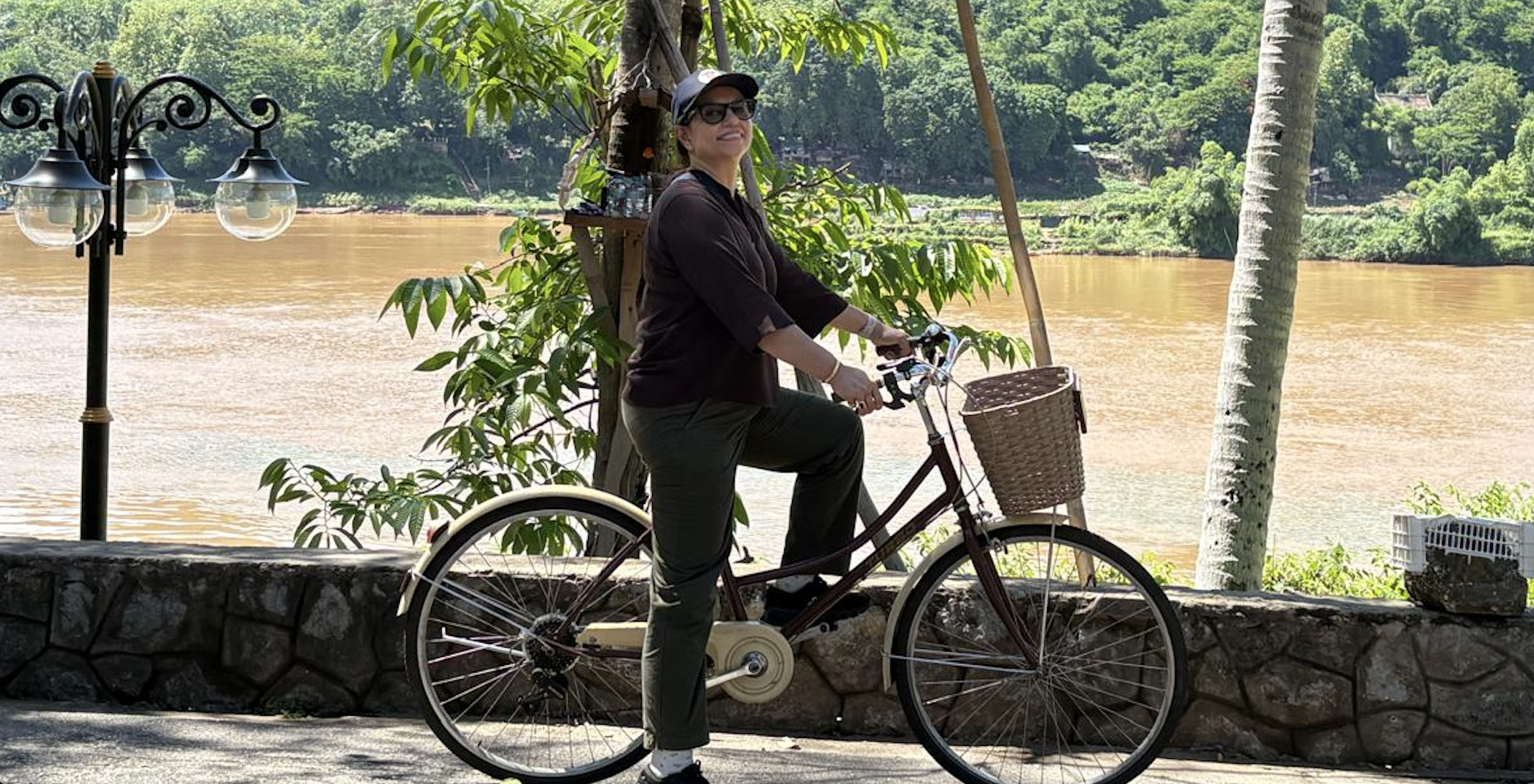
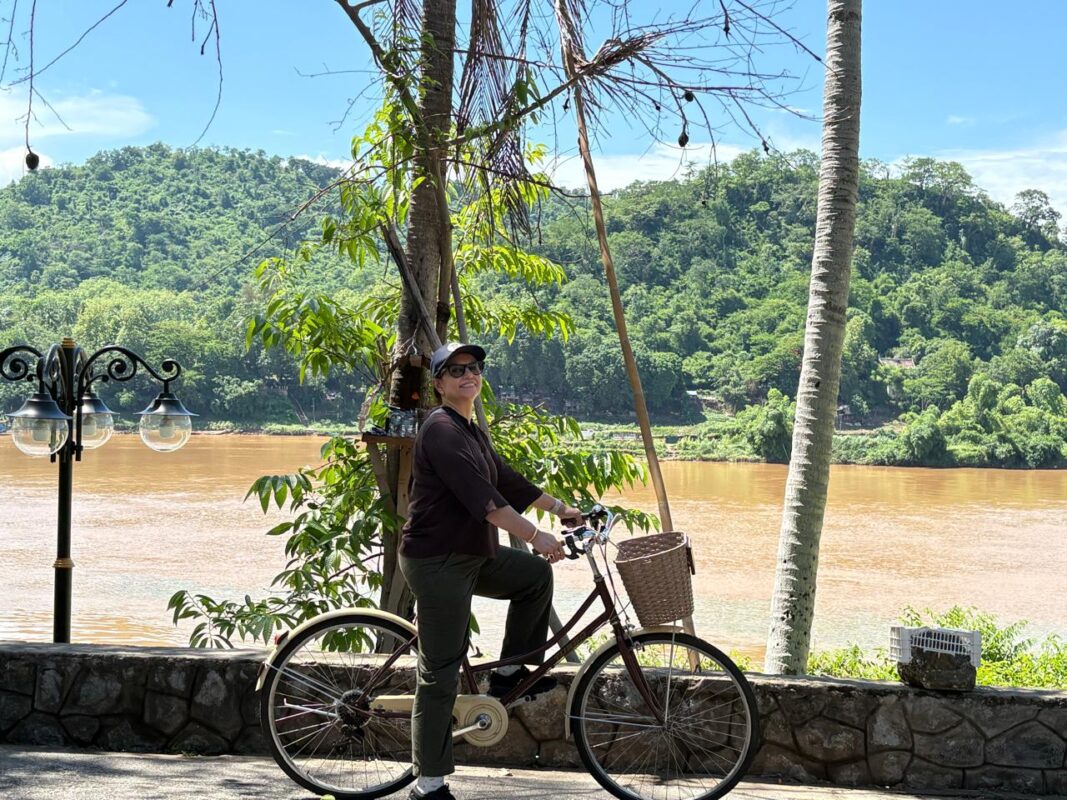
For the young and free, bicycling down Sakkaline Road, passing the colonial storefronts and high-end establishments, and down to the banks of the Mekong River, before ending the day on a long barge, skimming the surface of the river and watching the landscape, the hills, the temples and the quiet villages go by, is idyllic. Perhaps this is what makes Laos so special – unlike many other comparable destinations, it still retains its originality, its essence, and a way of life that continues to move at its own gentle pace.